Choosing the right fence is one of the most important decisions Florida property owners can make. Whether you own a home in a growing neighborhood or several acres of agricultural land, your fencing needs will vary significantly based on how you use your property.
While both farm fencing and residential fencing provide security and define property boundaries, they are designed for very different purposes. Understanding these differences can help you make a smarter investment and avoid costly mistakes.
At Southern Pro Fence, we help Florida property owners select fencing solutions that fit their land, goals, and budget. Here is what you need to know before choosing between farm fencing and residential fencing.
Understanding the Purpose of Each Fence Type
The biggest difference between farm fencing and residential fencing is their intended purpose.
Residential fencing is typically installed to:
- Increase privacy
- Improve security
- Enhance curb appeal
- Create safe outdoor spaces for children and pets
Farm fencing is designed to:
- Contain livestock
- Protect crops and agricultural areas
- Establish large property boundaries
- Improve operational efficiency on farms and ranches
Before selecting materials or styles, property owners should first determine the primary purpose of the fence.
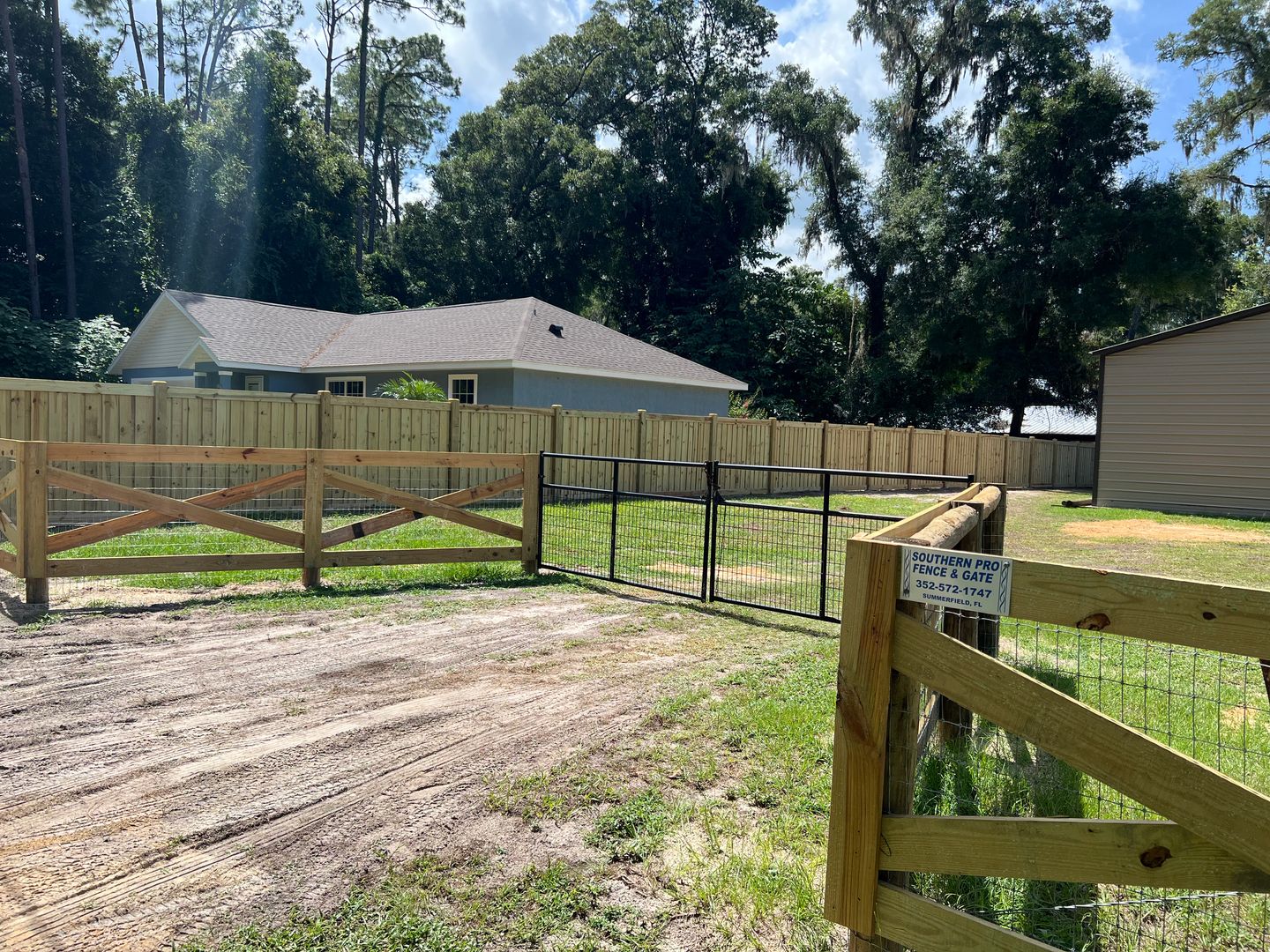
Materials Commonly Used for Residential Fencing
Residential fencing often focuses on appearance, privacy, and neighborhood compatibility.
Popular residential fencing materials include:
Vinyl Fencing
Vinyl offers a clean appearance, low maintenance requirements, and long-lasting durability.
Wood Fencing
Wood fencing remains popular for homeowners seeking a traditional look and customizable design options.
Aluminum Fencing
Aluminum fencing provides security and elegance while maintaining visibility throughout the property.
Chain Link Fencing
Chain link remains one of the most cost-effective options for residential security and pet containment.
Each material offers unique benefits depending on the homeowner’s goals and budget.
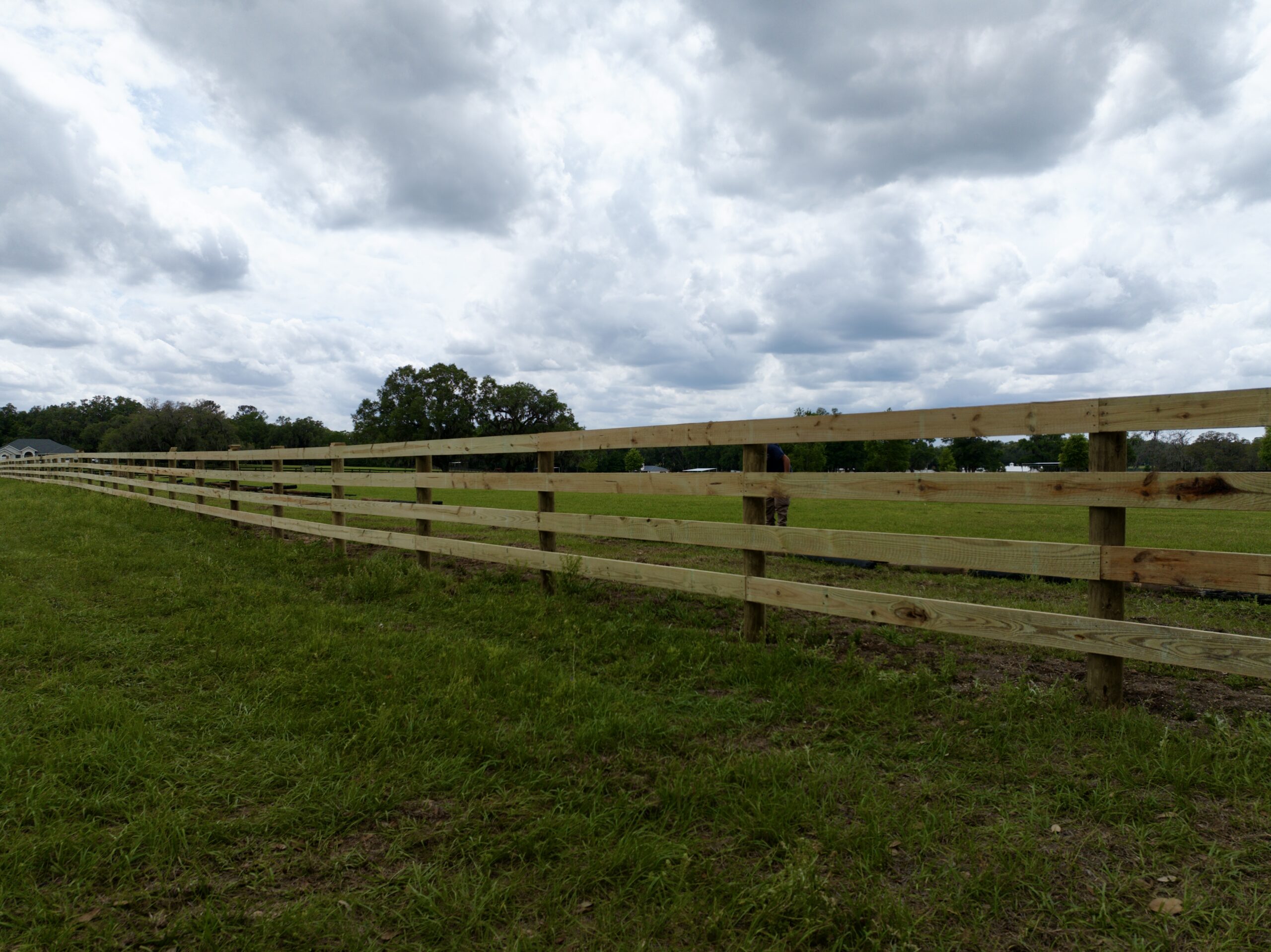
Materials Commonly Used for Farm Fencing
Agricultural properties often require fencing systems designed for functionality, durability, and animal containment.
Common farm fencing options include:
Field Fence
Often used for livestock and large agricultural properties.
Horse Fence
Designed to provide visibility and safety for horses while maintaining property boundaries.
Barbed Wire Fence
Frequently used for cattle operations and large acreage.
High-Tensile Wire Fence
Provides strength and cost efficiency across long distances.
Board Fence
Popular for horse farms seeking both function and appearance.
The ideal farm fence depends on the type of animals, acreage, and management goals.
Durability Requirements Are Often Very Different
Farm fencing and residential fencing face different daily demands.
Residential fences primarily protect homes, families, and pets. While durability remains important, these fences often experience less constant pressure than agricultural fencing.
Farm fencing must withstand:
- Livestock pressure
- Wildlife interaction
- Equipment traffic
- Weather exposure across large areas
- Long-term use with minimal maintenance
As a result, many agricultural fencing systems prioritize strength and functionality over decorative features.
Cost Considerations for Florida Property Owners
Fence pricing depends on several factors, including materials, labor, terrain, and overall project size.
Residential fencing projects are often measured by privacy needs and aesthetic preferences.
Farm fencing projects may involve:
- Hundreds or thousands of feet of fencing
- Multiple gates
- Livestock-specific designs
- Challenging terrain
Because agricultural fencing often covers larger areas, total project costs can vary significantly depending on the property’s size and intended use.
The best approach is to work with an experienced fencing contractor who can recommend solutions that fit both your budget and goals.
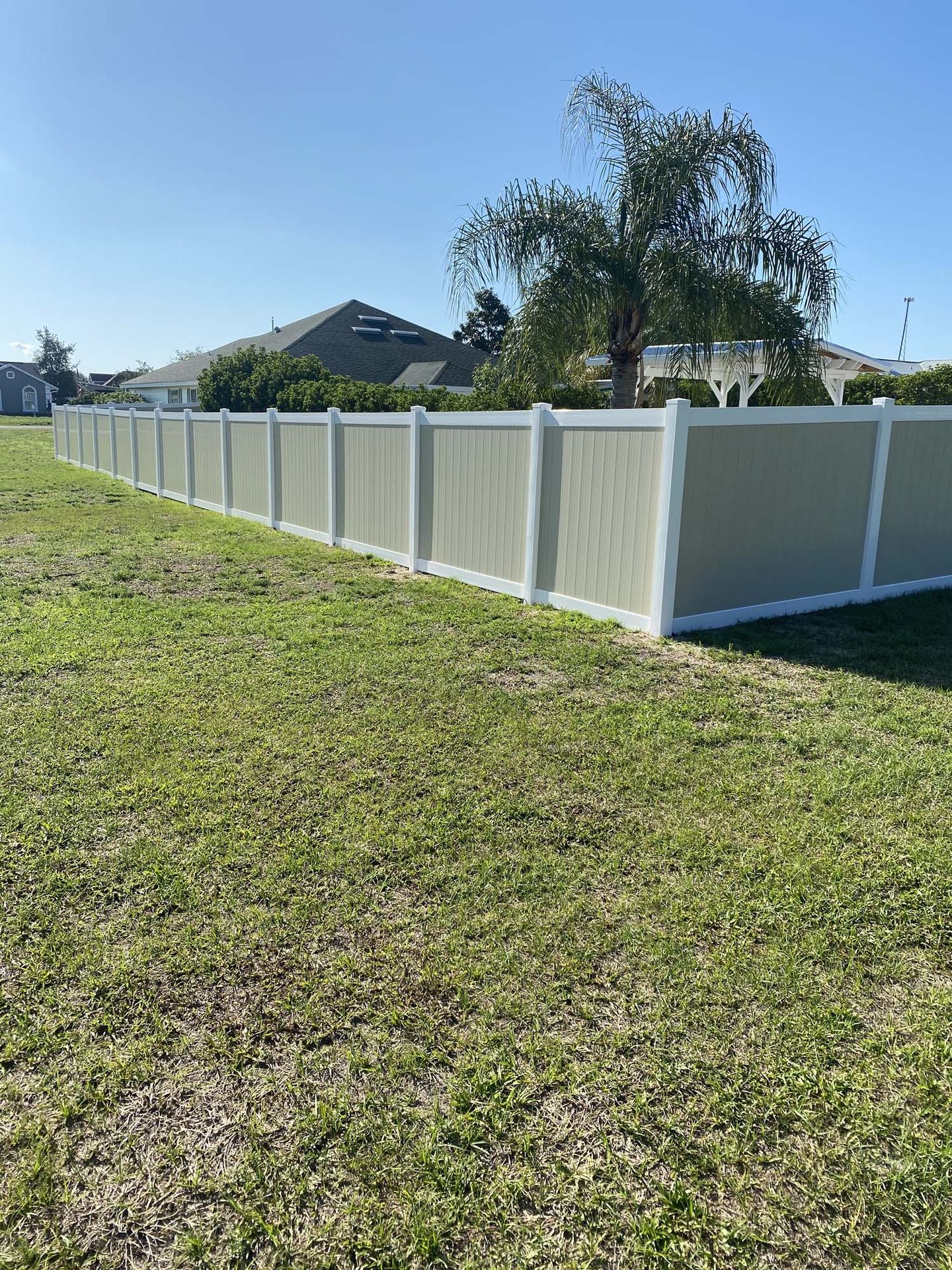
Which Fence Is Right for Your Property?
The right fence depends on how your property is used.
Residential fencing may be the best choice if your primary goals include:
- Privacy
- Security
- Curb appeal
- Pet containment
Farm fencing may be the better solution if you need:
- Livestock control
- Agricultural property boundaries
- Large acreage coverage
- Durable long-term performance
Some Florida property owners even combine multiple fencing styles to meet different needs throughout the property.
Working with an experienced fence contractor can help ensure you choose the right system for your unique situation.
Farm Fencing vs Residential Fencing at a Glance
| Feature | Farm Fencing | Residential Fencing |
|---|---|---|
| Primary Purpose | Livestock containment and property management | Privacy, security, and curb appeal |
| Typical Property Size | Large acreage | Standard residential lots |
| Common Materials | Field fence, wire fence, board fence | Vinyl, wood, aluminum, chain link |
| Durability Needs | High livestock and weather resistance | Moderate daily wear and weather exposure |
| Maintenance Requirements | Designed for long-term functionality | Varies by material selection |
| Appearance Priority | Function-focused | Often aesthetics-focused |
| Project Scope | Often hundreds or thousands of feet | Typically smaller perimeter projects |
| Best For | Farms, ranches, equestrian properties | Homes, neighborhoods, residential lots |
Frequently Asked Questions
What is the difference between farm fencing and residential fencing?
Farm fencing is designed primarily for livestock containment and large property management, while residential fencing focuses on privacy, security, and appearance.
What is the best fence for a horse property?
Board fencing, horse fencing systems, and certain wire fence options are commonly used for equestrian properties because they provide visibility and safety.
Is farm fencing cheaper than residential fencing?
Is farm fencing cheaper than residential fencing?
Can I use farm fencing around a home?
Yes. Some property owners choose agricultural-style fencing for large residential lots, hobby farms, or equestrian properties.
Conclusion
Both farm fencing and residential fencing serve important purposes, but they are designed to meet very different needs. Choosing the right fencing solution starts with understanding how your property is used and what you want your fence to accomplish.
Whether you need a privacy fence for your backyard or durable agricultural fencing for a large property, Southern Pro Fence can help you find the right solution.
Contact Southern Pro Fence today for a free estimate and expert guidance on your next fencing project.