Owning livestock in Central Florida comes with unique challenges. From extreme heat and heavy rain to sandy soil and local predators, every detail of your operation matters. And one of the most important decisions you will make as a property owner is choosing the right farm fence.
The fence you install does more than mark your property line. It keeps your animals safe, protects them from outside threats, and helps you manage your land more efficiently. But with so many fencing options available, how do you know which one is the best fit for your livestock, your land, and your budget?
In this guide, we break down the most popular farm fencing options for Central Florida properties and help you understand which type works best for your situation.
Why Livestock Safety Starts with the Right Fence
A fence is the first line of defense for your animals. Whether you are raising horses, cattle, goats, or a mix of livestock, the wrong fence can lead to injuries, escapes, and costly repairs.
In Central Florida, the stakes are even higher. Open land, active predators like coyotes and wild dogs, and unpredictable weather all put extra pressure on your fencing. Choosing the right fence type from the start can save you time, money, and stress for years to come.
The right fence should:
- Contain your livestock safely without causing injury
- Hold up against Florida’s heat, humidity, and storms
- Require minimal maintenance over time
- Match your property layout and long term goals
Farm Fence Types Compared
Not every fence works for every situation. Here is a closer look at the most common farm fencing options and what they are best suited for.
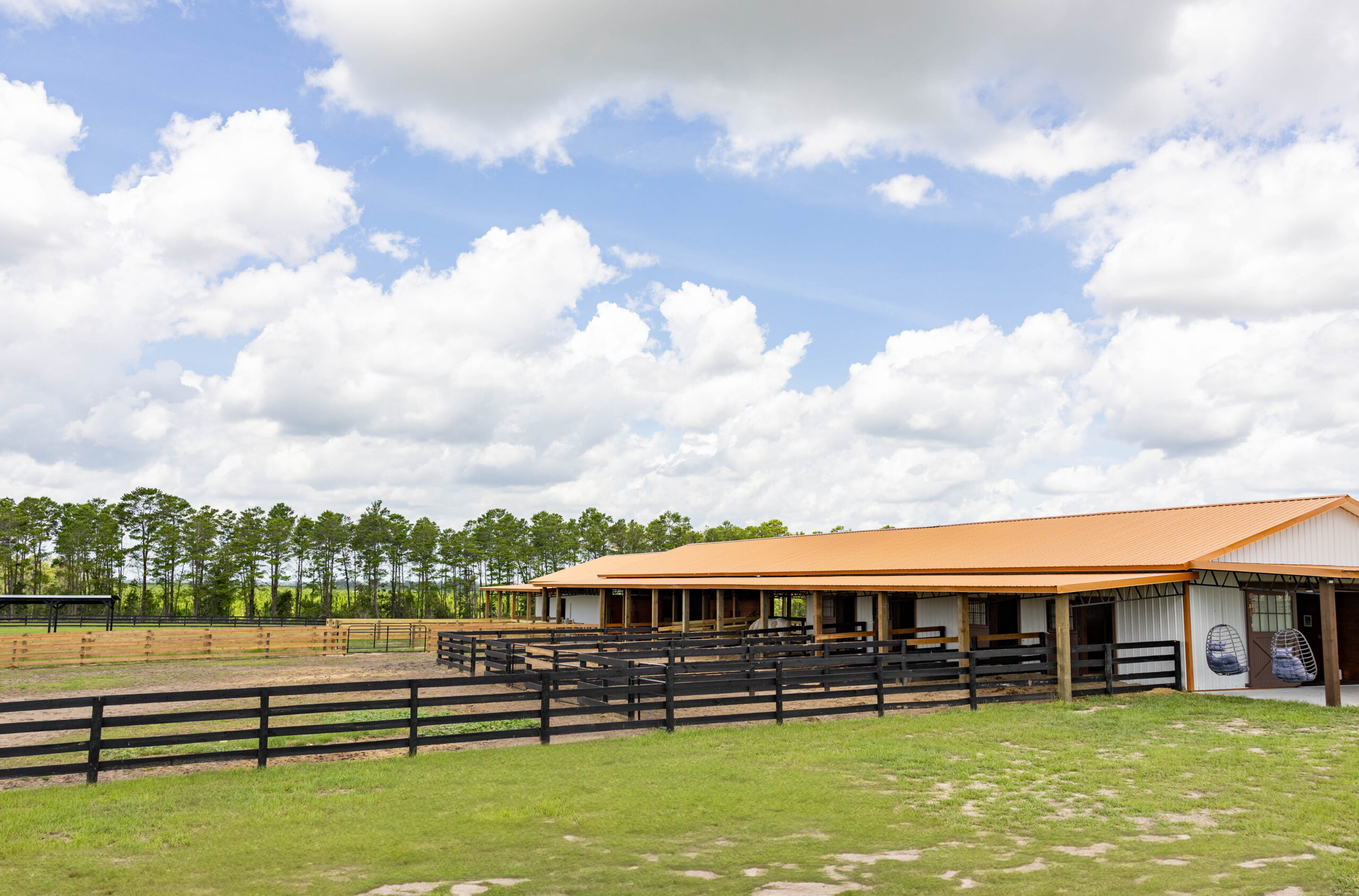
Board Fencing (3-Board and 4-Board)
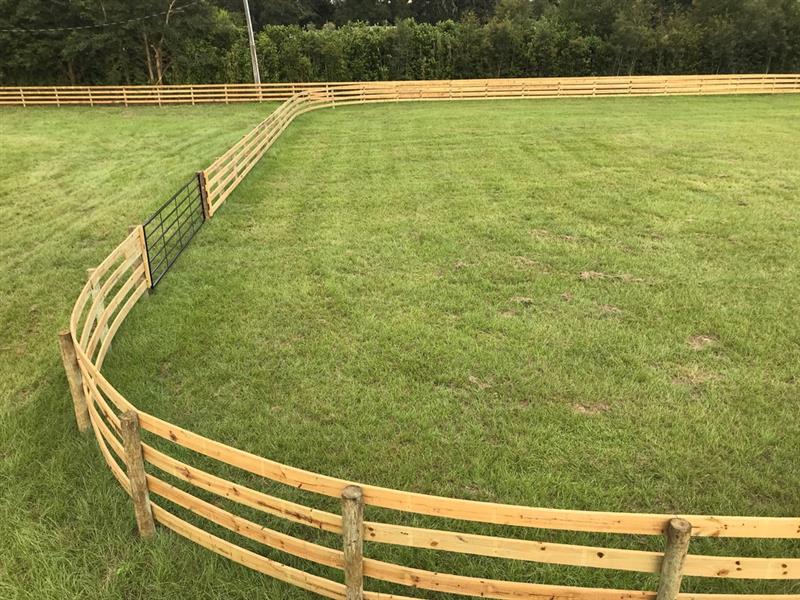
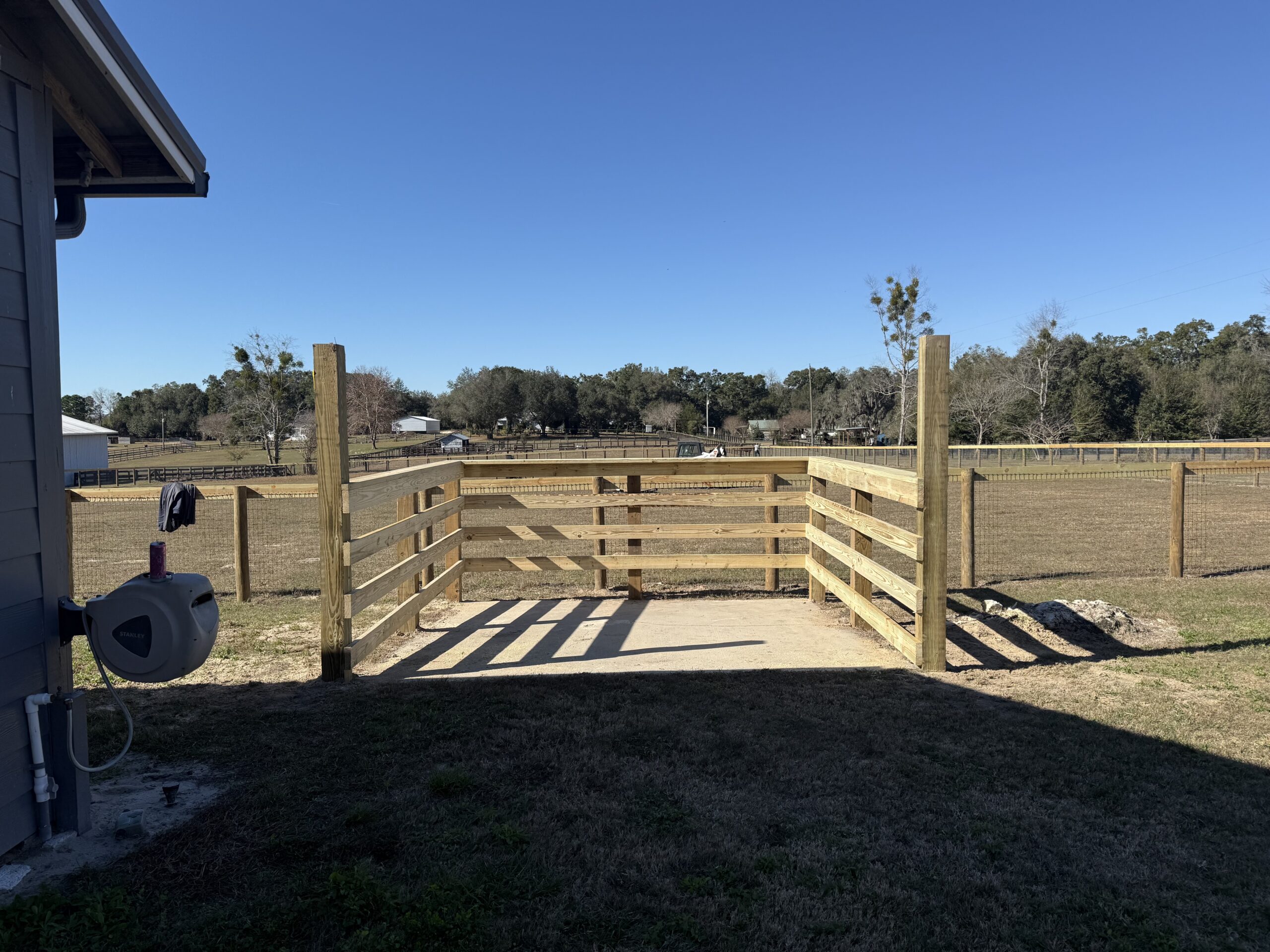
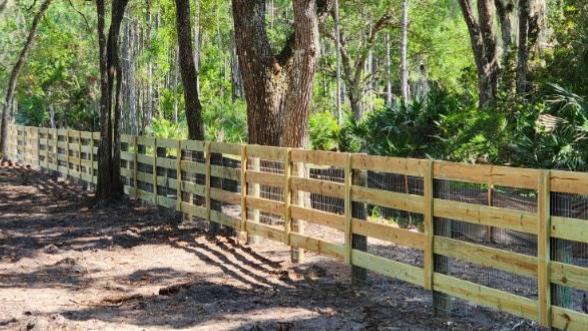
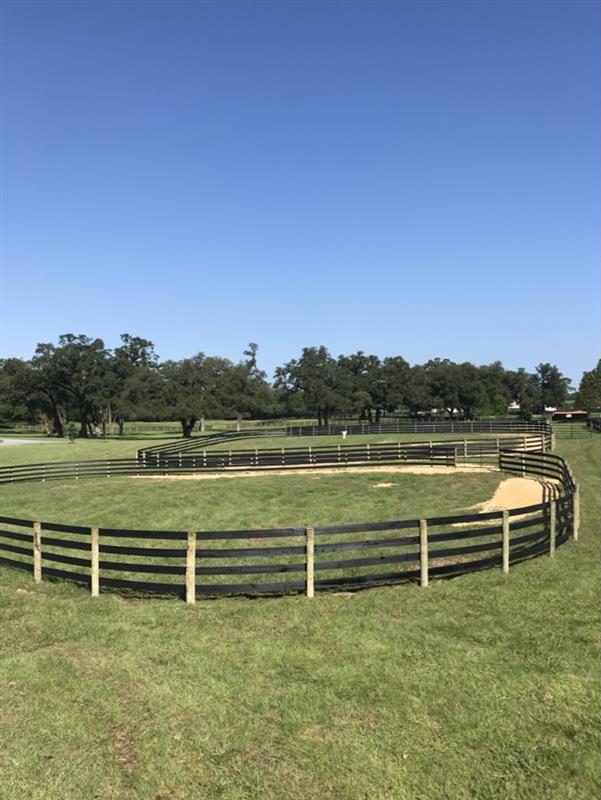
Board fencing is one of the most popular choices for horse properties and farms that want a clean, traditional look. Built with pressure-treated wood in 6-foot or 8-foot sections, board fences offer strong visibility and reliable containment.
3-board fencing is ideal for horses and property boundaries where visibility matters most. 4-board fencing adds an extra layer of strength and is better suited for larger animals or areas that need more secure containment.
Board fencing is a great fit if you want a fence that looks good, performs well, and adds value to your property. Learn more about board fencing options on our website.
No-Climb Wire Fencing
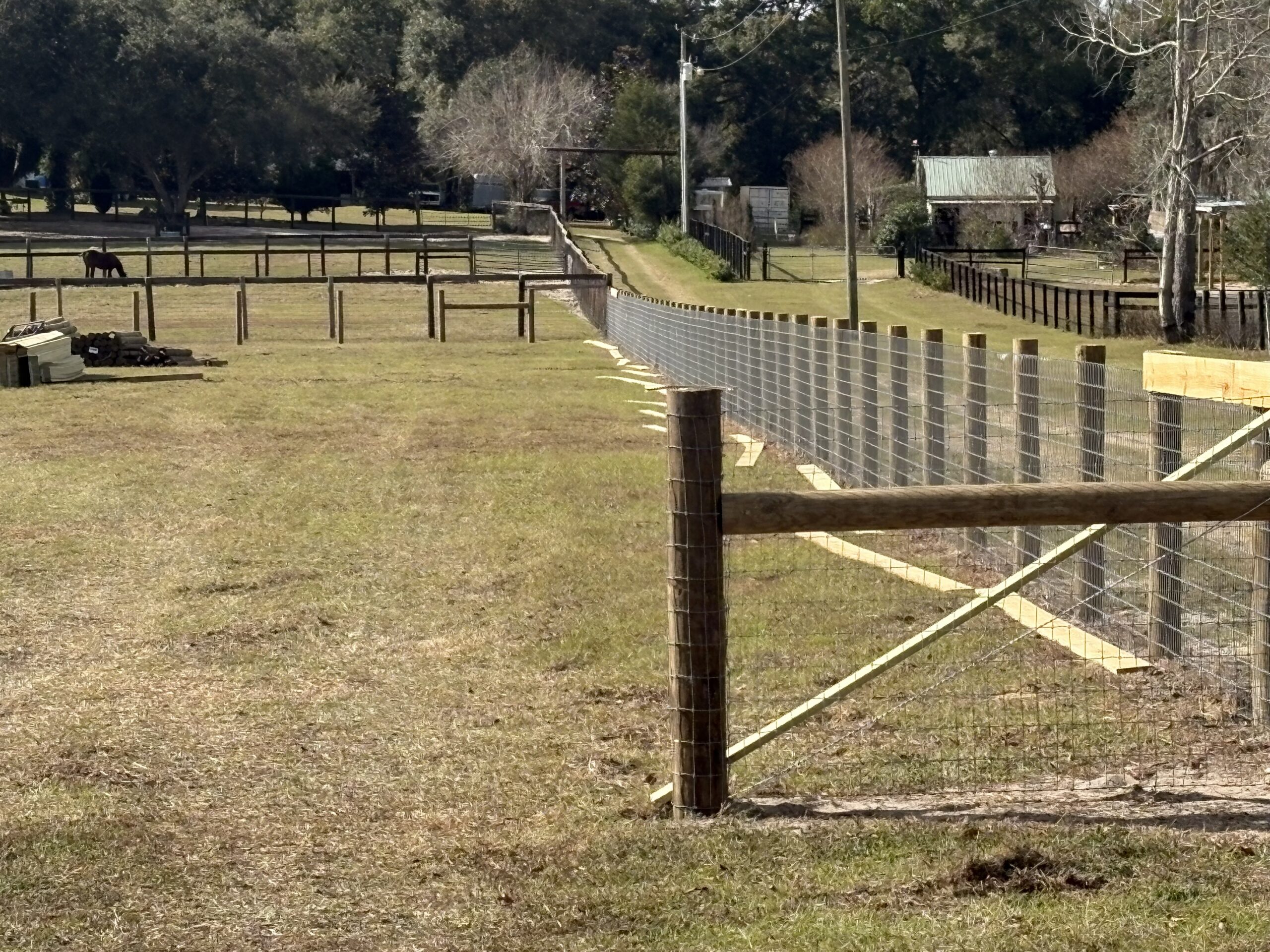
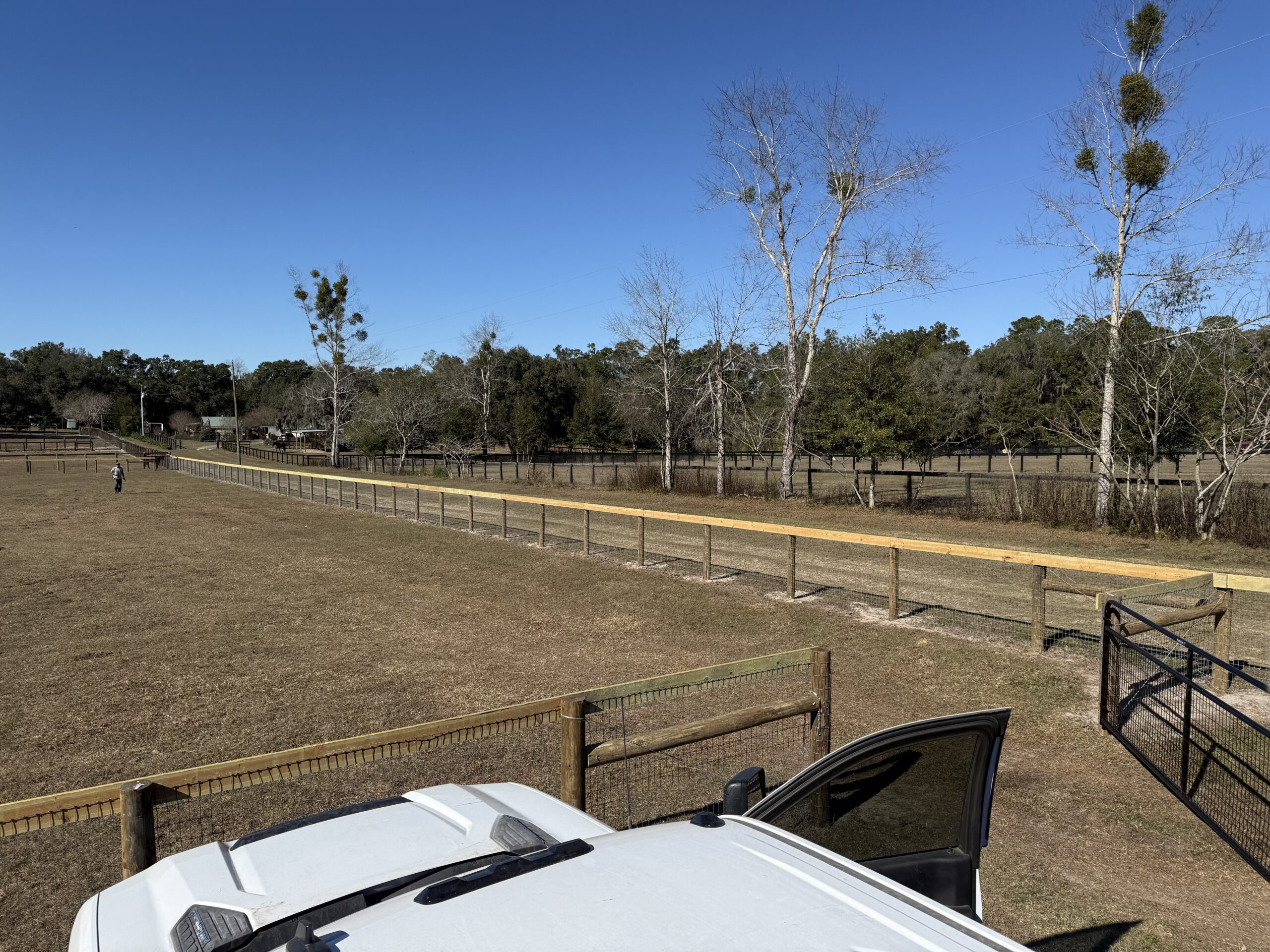
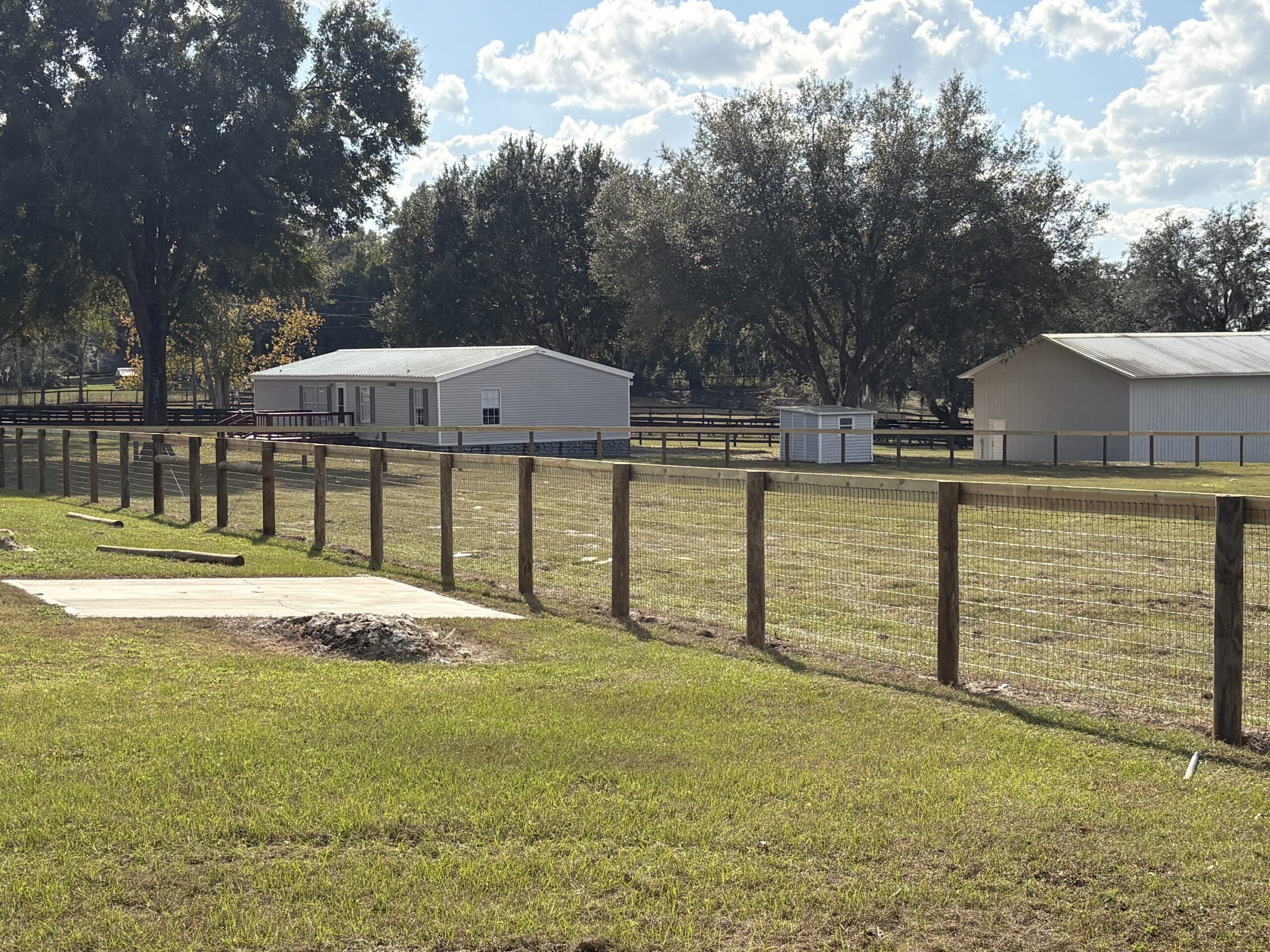
No-climb wire fencing is one of the safest options for horses and smaller livestock. The tight mesh pattern prevents hooves from getting caught, which reduces the risk of injury significantly.
When paired with wood posts and a top board, no-climb wire provides excellent visibility, strength, and safety. The top board helps animals see the fence clearly, which is especially important for horses that may run toward fence lines at speed.
This option is also effective for keeping predators out and smaller animals like goats or sheep contained. Explore our no-climb wire fencing to learn more.
Barbed Wire Fencing
Barbed wire is a proven choice for large cattle operations and properties where coverage and cost are the top priorities. It is durable, affordable, and provides broad coverage for large acreage.
Built with high quality barbed or field wire stretched between T-posts and reinforced with H-braces at stress points, this fencing style handles Florida’s demanding conditions well. However, barbed wire is not recommended for horses because of the risk of injury.
If you are running cattle on a large property and need a cost effective solution, barbed wire may be the right choice for you.
Crossbuck Fencing
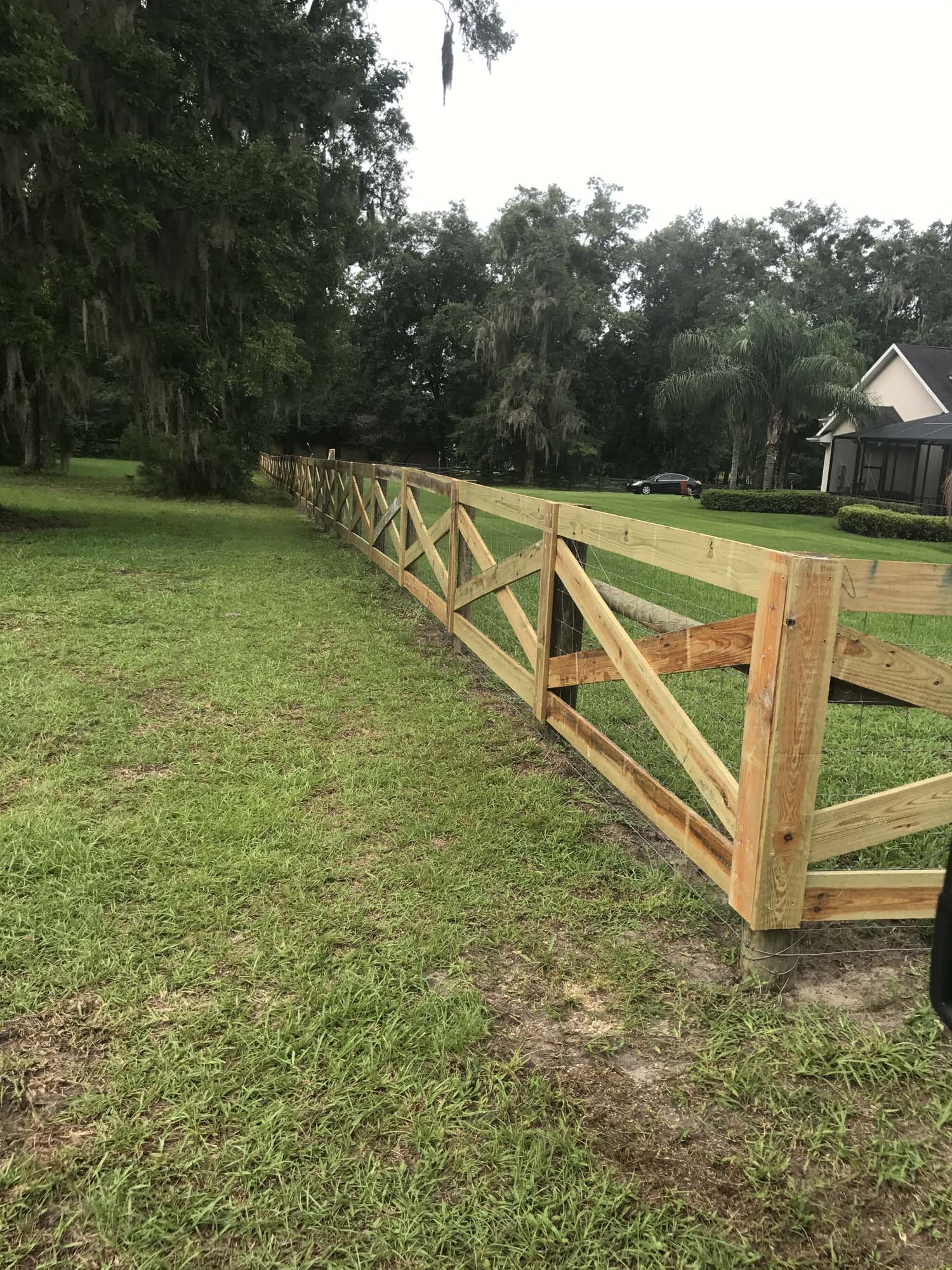
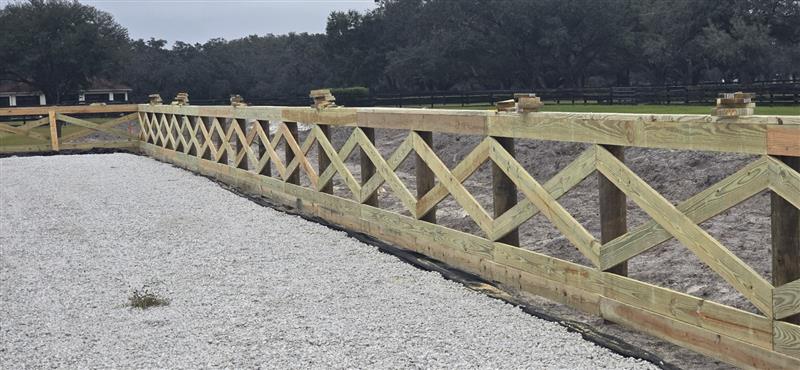
For property owners who want both strength and visual appeal, crossbuck fencing offers the best of both worlds. Available in 4-board and 5-board configurations, this style features diagonal cross patterns between horizontal boards for added reinforcement.
Crossbuck fencing is built with pressure-treated wood and stands up well to Florida’s heat, rain, and humidity. It is a popular choice for horse farms, property entrances, and areas where you want your fencing to make a statement.
High-Tensile Wire Fencing
High-tensile wire is a strong, low maintenance option that works well for containing larger livestock like cattle. It can be electrified for added security and is one of the most cost effective options for large properties.
This type of fencing holds up well in Florida’s climate, especially when paired with Class 3 galvanized or premium coated wire that resists rust and corrosion.
Matching Your Fence to Your Livestock
Choosing the right fence is not just about materials. It is about matching the fence to the animals you are raising.
Horses
Horses are flight animals that can panic and run into fencing at high speeds. Safety is the top priority. Board fencing (3-board or 4-board) and no-climb wire with a top rail are the best options. Avoid barbed wire entirely for horses.
Cattle
Cattle need strong, durable fencing that can handle pressure. High-tensile wire, barbed wire, and no-climb wire all work well for cattle operations. Proper corner bracing and tensioning are critical for any cattle fence.
Goats and Sheep
Smaller livestock like goats and sheep require tighter mesh fencing to prevent escapes and keep predators out. No-climb wire and woven mesh fencing are the best choices for these animals.
Mixed Operations
If you run multiple types of livestock, no-climb wire fencing is often the best all around choice. It is safe for horses, strong enough for cattle, and tight enough to contain goats and sheep.
How Central Florida's Climate Affects Your Fence
Florida’s climate is tough on fencing. Here is what you need to consider when choosing materials and planning your installation.
Heat and Humidity: Wood expands and contracts with temperature changes. Pressure-treated lumber and galvanized hardware hold up better over time in humid conditions.
Heavy Rain and Storms: Central Florida receives significant rainfall, and hurricane season brings strong winds. Proper post depth (at least 3 feet) and secure bracing help your fence withstand severe weather.
Sandy Soil: Florida’s sandy soil can shift over time, causing fence posts to lean. Deeper post settings and proper compaction during installation are essential for long term stability.
UV Exposure: Constant sun exposure can degrade certain materials. Coated wire, treated wood, and UV-resistant materials last longer in Florida’s intense sunlight.
Working with an experienced farm fence installer who understands these local conditions makes a significant difference in how long your fence lasts.
The Role of Gates in Livestock Safety
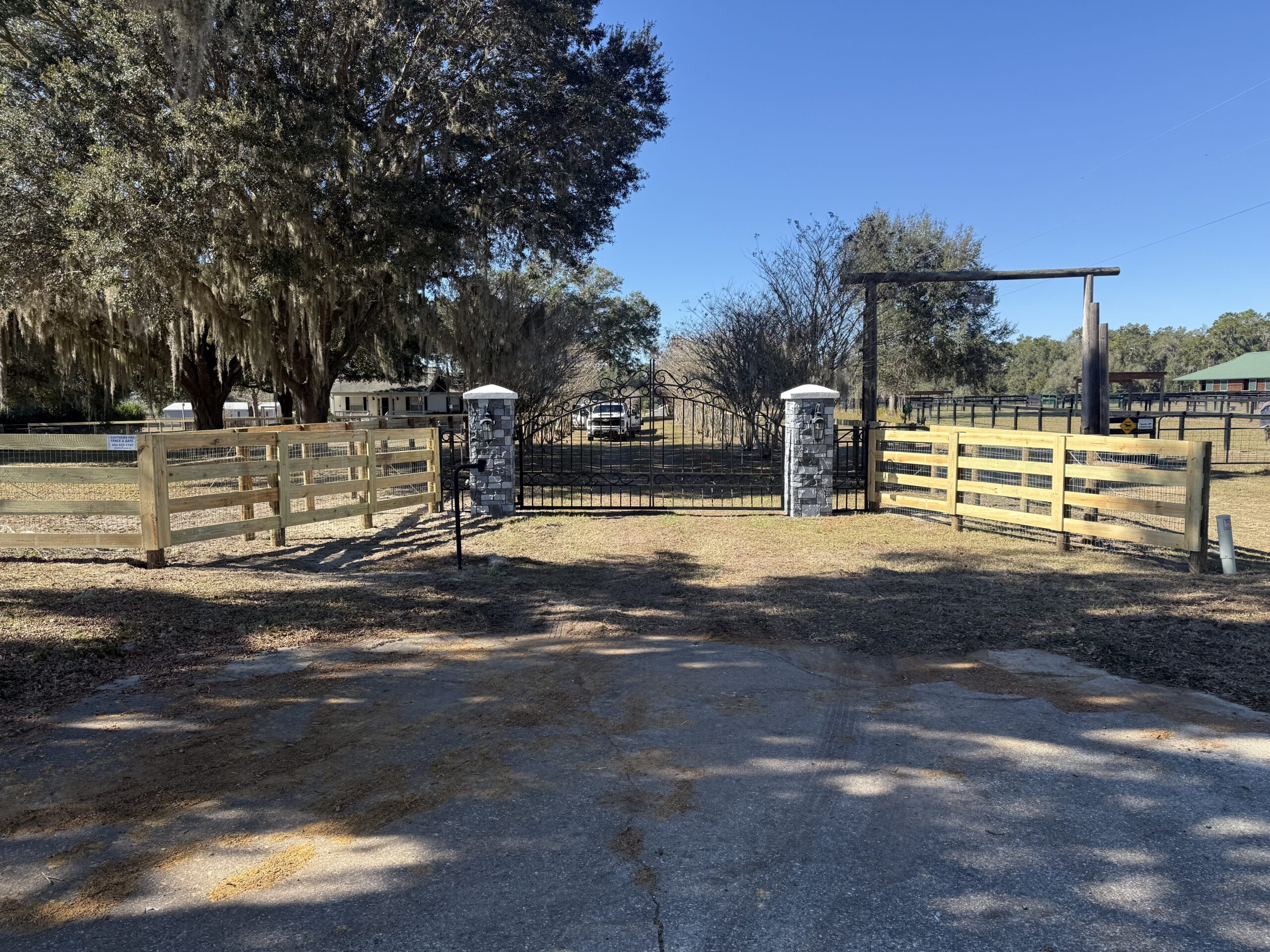
Your fence is only as strong as its weakest point, and for many farms, that weak point is the gate. A poorly built or improperly hung gate can create escape routes, security gaps, and daily frustration.
When planning your farm fence, make sure to include:
- Wide, equipment friendly gate openings for tractors and trailers
- Strong hinges and latches that hold up to daily use
- Self-closing mechanisms where needed for high traffic areas
- Double gate options for larger openings
Southern Pro Fence builds custom gate systems designed to match your fence and your property’s specific needs.
Why Professional Installation Matters
Even the best fencing materials will underperform if they are not installed correctly. Post spacing, depth, bracing, and tensioning all play a role in how well your fence holds up over time.
In Central Florida, professional installation is especially important because of the sandy soil, heavy rainfall, and high winds that put extra stress on fencing.
A professionally installed farm fence will:
- Stand up to weather and livestock pressure
- Require less maintenance and fewer repairs
- Provide consistent, reliable protection for your animals
- Last significantly longer than a DIY installation
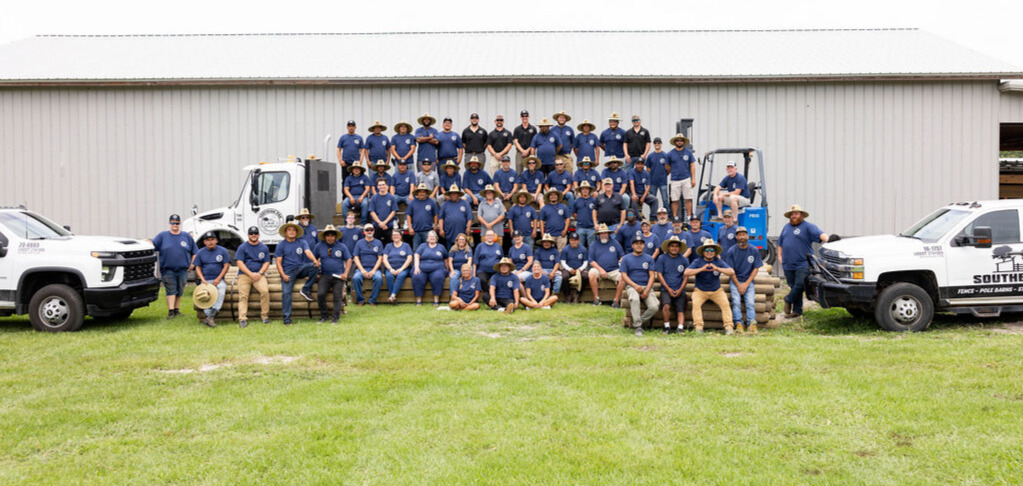
Southern Pro Fence has been building farm fences across Central Florida since 2013. Our crews understand the terrain, the climate, and the demands of Florida livestock operations.
Farm Fence Project Gallery
Frequently Asked Questions
The safest options for horses are no-climb wire with a wood top rail or board fencing (3-board or 4-board). These options prevent hoof injuries and provide clear visibility so horses can see the fence and avoid running into it.
With proper installation and quality materials, farm fencing in Central Florida can last 15 to 30 years or more. Factors like material type, post depth, and ongoing maintenance all affect lifespan.
High-tensile wire, field fence, and no-climb wire are all effective options for cattle. The key is strong corner bracing, proper tensioning, and heavy duty posts that can handle the pressure cattle put on fencing.
In many rural areas of Marion County, agricultural fencing does not require a permit. However, requirements can vary depending on zoning and property line regulations. It is always a good idea to check with your local zoning office before installation.
Fence posts should typically be set at least 3 feet deep in Central Florida. Sandy soil can shift over time, so deeper settings and proper compaction during installation are essential for long term stability.
Yes. No-climb wire fencing is a versatile option that works well for both horses and cattle. It is safe enough to prevent hoof injuries in horses while being strong enough to contain cattle.
Costs vary depending on fence type, terrain, linear footage, and gate installations. The best way to get an accurate estimate is to schedule an on-site evaluation with a professional installer.
Get Started with the Right Farm Fence
Your livestock depends on you, and the right fence makes all the difference. Whether you are building a new fence from the ground up or upgrading an existing one, Southern Pro Fence is here to help you make the right choice for your land and your animals.
Call today for a free estimate and let us help you protect what matters most.